
Leadership
Administrators
Matthew Galihand
Division CommanderDivision Commander
Division Commander over Specified Operations, Personnel, and High-Level Agency Standards. A Veteran Military Leader with 11 Combat Deployments by Age of 22, Captain Galihand Transitioned Into Law Enforcement to Develop a Record-Based Career in Tactical Enforcement and Interdiction, Resulting in a Direct Presidential Commendation at the White House. Extensive Experience Across Multiple Agencies, Including Former Undersheriff of Mecklenburg County (Before CLE), Leading Highway Interdiction Activities Where Over 200 Pounds of Contrabass Were Seized, and Currently Commands SRT at Carolina Law Enforcement. Devoted to Exemplary Leadership, Strict SOP Adherence, Realistic Tactical Operations, and Officer Development at All Levels.
Creek Byrd
Deputy Commander / CaptainDeputy Commander / Captain
Deputy Commander / Captain
Team member coming soon.
Team member coming soon.
Team member coming soon.
Team member coming soon.
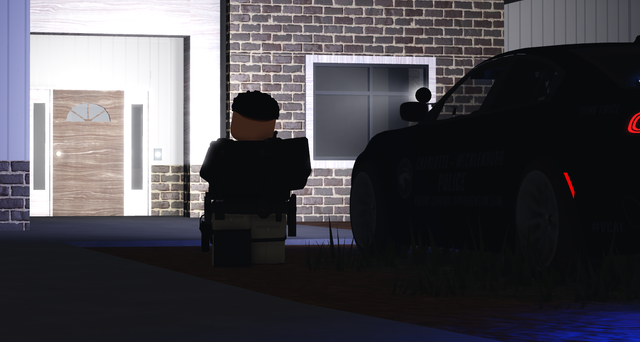
Special Response Team
The Special Response Team (SRT) is comprised of a group of highly trained deputy sheriffs who serve on the team voluntarily. SRT members all have collateral functions throughout the agency and can be called out at any time to provide a specialized response to various types of emergency situations.
Qualifying for the Special Response Team is a demanding and highly competitive process. Each member must pass a rigorous physical assessment, a structured interview and demonstrate expert proficiency with multiple firearms. New team members must also successfully complete a Basic SWAT Operator’s Training Course to learn the fundamentals of room clearing, distraction device deployment and certification, mechanical breaching, planning, scouting, mirror techniques and ballistic shields.
SRT members receive basic and advanced training in hostage rescue, barricaded subjects, high risk warrant service, vehicle take downs, team and individual movements and woodland operations and are certified in the deployment of specialty impact munitions and the air taser.
SRT deployments depend on the type of situation that calls for specialized skills and tactics to ensure the safety of all involved and to minimize the risks associated with tactical operations such as high-risk search warrants, barricaded persons, hostage taking incidents, suicidal incidents and surveillance operations.
Active shooter, civil disturbances and restoring order in our detention facilities are just a few examples of the types of incidents the Sheriff’s Response Team is prepared to handle.